Selling a home in Bonney Lake
Getting a plateau home ready, and pricing it against the houses buyers will tour the same weekend.
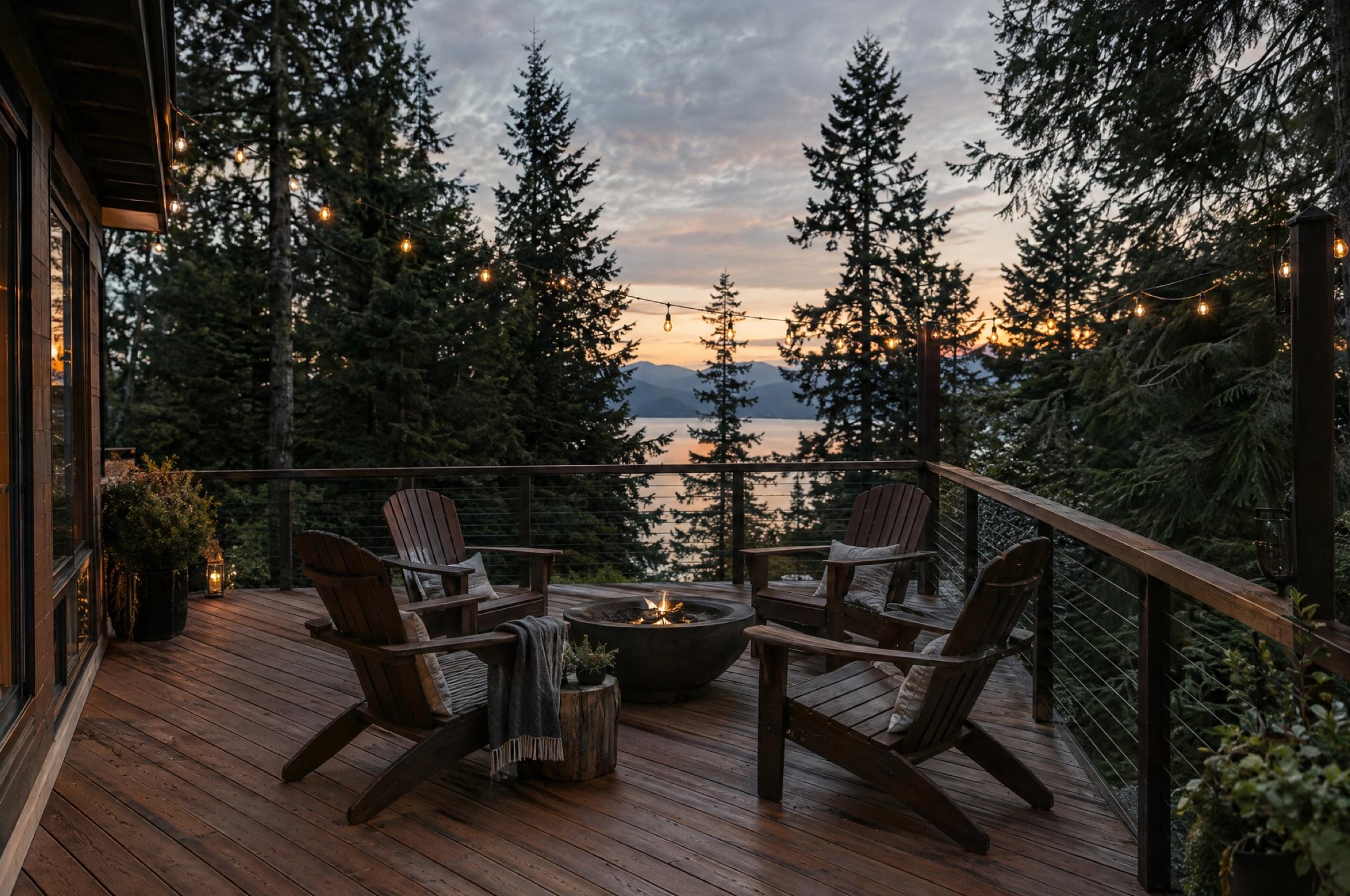
Selling in Bonney Lake comes down to getting the house ready for buyers who are often comparing it with newer construction nearby, pricing it from sales that really match, and presenting its strengths clearly in the first few photos.
What a house has going for it changes from street to street. One has a lake connection. Another has a big lot with a shop, or a cul-de-sac a few minutes from SR 410, or Mount Rainier from the upstairs bedroom. The listing should lead with whichever one the likely buyer will care about most.
When should I start getting ready to sell?
Sooner than the listing date suggests, because some of the work needs dry weather.
Starting a few months before you list gives you time to get repair quotes and to book contractors before the spring rush. Exterior paint and roof work also need a dry stretch, and here that can take a while to arrive. It also gives you time to gather what buyers will ask for: permits for any additions or decks, dock and shoreline permits (and any Cascade Water Alliance license) if you’re on Lake Tapps, the ages of the roof, furnace, and water heater, your HOA documents, and septic records if you have a system.
My first meeting with a seller is a slow walk through the house, looking for what a buyer’s inspector would write up and what someone touring on a wet Saturday would notice first. From that walk we make a short list, ranked by cost against how much each item is likely to matter.
What should I fix, and what should I leave?
Fix what an inspector will flag and what a photograph will show. Leave the remodels alone.
The gray-day test
Walk through your house at four o’clock on an overcast afternoon with every light on. That is the light a lot of buyers will see it in.
Plateau buyers are often choosing between your home and one a builder finished last year. You won’t beat a new house on newness, so compete on condition, space, lot, location, and price.
The work that tends to pay for itself is unglamorous. Clean the roof and gutters and treat the moss. Service the furnace. Fix slow drains, loose railings, sticky doors, and missing outlet covers. Repaint scuffed walls in light, quiet colors. Wash the siding and the windows. Many of your showings will happen on a gray day, so make the house feel bright on one: open every blind and clear the counters.
Big projects are different. A kitchen remodel started in order to sell is hard to recover in the sale price, and it usually delays the listing. When something major is failing, like a roof at the end of its life or a septic system that needs work, we’ll go through the choices together: fix it before listing, or leave it and account for it with a credit or the price. The right answer depends on the house and on how buyers are behaving at that moment.
“Many of your showings will happen on a gray day, so make the house feel bright on one.”
How is a home on the plateau priced?
From sales of houses that really match yours, then adjusted for what plateau buyers weigh.
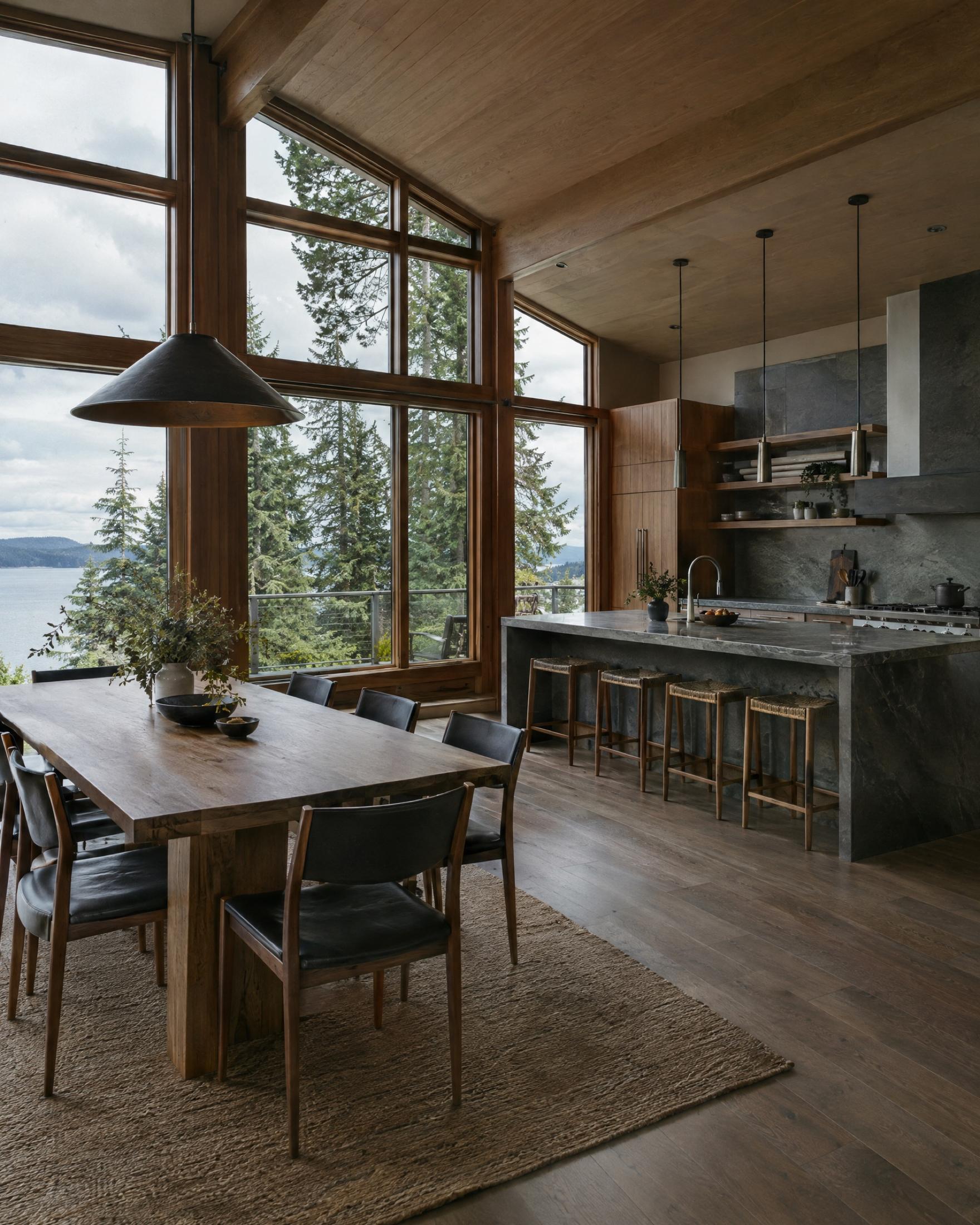
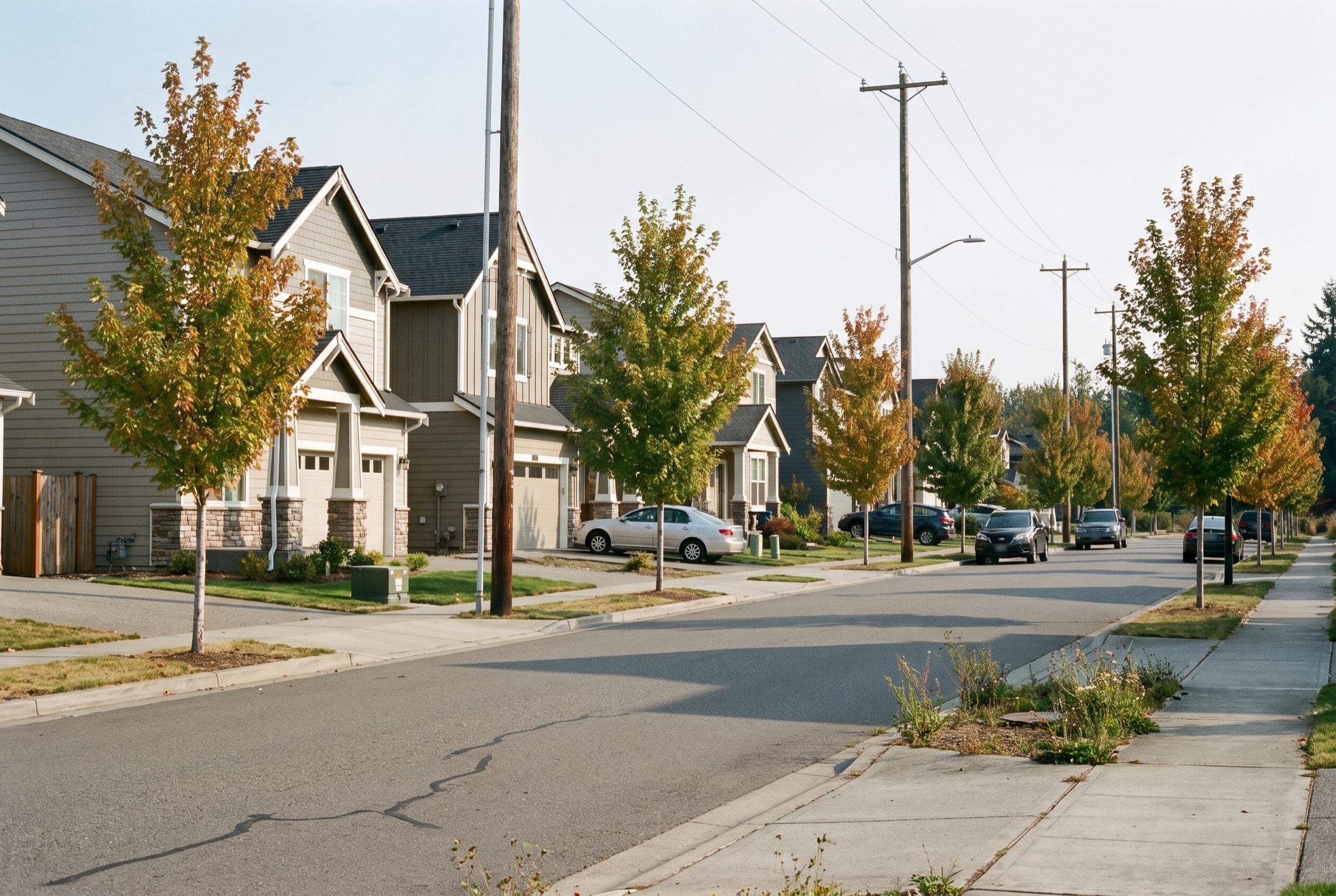
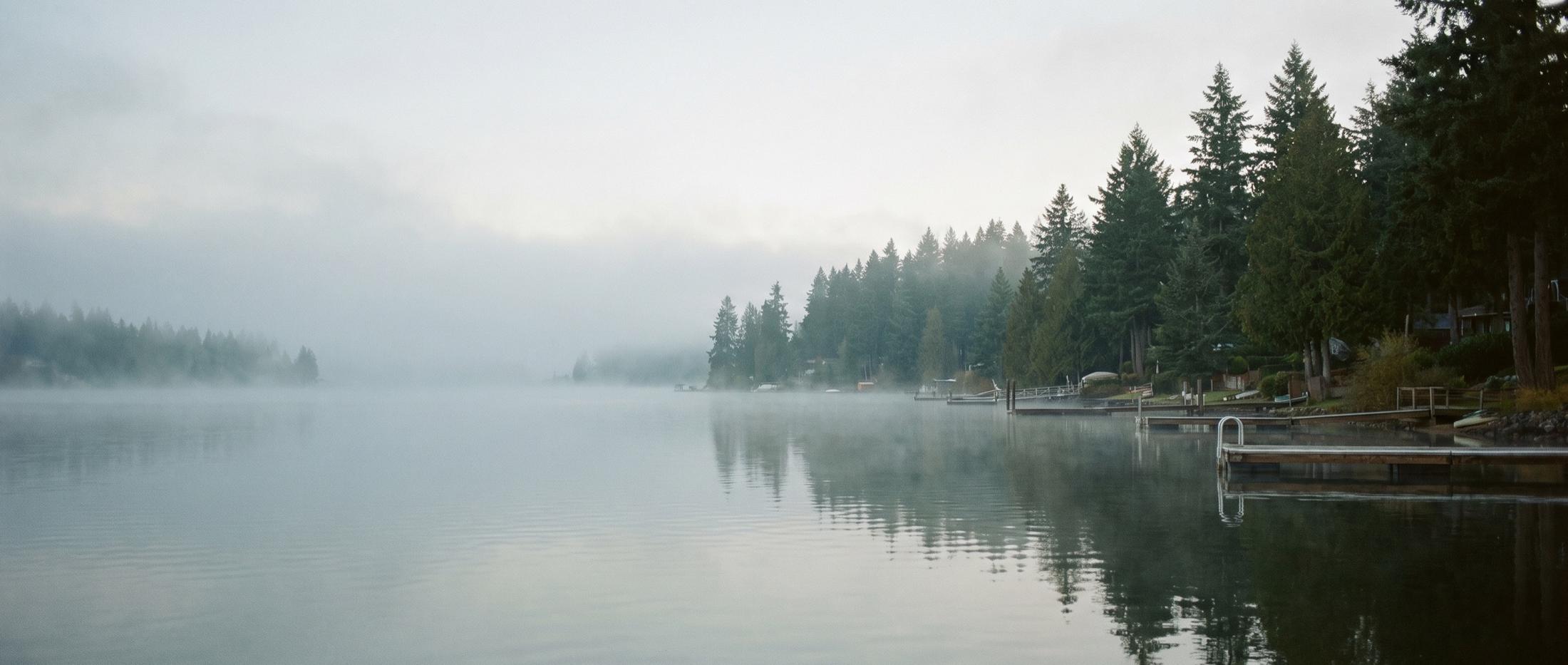
Pricing starts with recent sales of similar homes nearby, and “similar” carries a lot of weight. A two-story in a newer subdivision should be measured against other two-stories in similar subdivisions. A rambler on an acre is a different kind of house, and so is anything on the water. Lakefront compares with lakefront, and even then the frontage, the dock, which way the lot faces, and how steeply it drops to the shore all change the picture. I also look at what’s active and pending right now, because those are the homes buyers will tour the same weekend as yours.
Then come the local adjustments. The school district and attendance area. Lake access, and what kind. HOA dues and restrictions. Lot size and privacy. A view of the mountain. How far the house sits from SR 410, and how long it takes to reach the bottom of the hill. How much has been updated, and how recently.
I’ll show you the sales I used and why I chose them. The price is your decision. Nobody can promise what a house will sell for or how long it will take, so expect straight updates as buyers respond, including when the response is quiet.
How will my Bonney Lake home be marketed?
Photographs first, then the facts a plateau buyer looks for.
Answer these in the listing
School district. Kind of lake access. HOA dues and what they cover. Heating system and roof age. Sewer or septic. Garage and parking.
Most buyers meet your home on a phone screen first, so the photographs have to carry it. That means professional photography on the best-light day we can get, with each room prepared for the camera. For lake homes and homes with a view, exterior and aerial images can matter as much as the kitchen. A floor plan helps buyers who are comparing your layout with new construction.
The description should answer plateau buyers’ questions in roughly the order they ask them. When those answers are easy to find, the people who book showings are the ones the house suits, and fewer showings end with “I didn’t know it was on septic.”
The listing goes into the Northwest Multiple Listing Service, which feeds the major home search sites, and I share it directly with other brokers who work the plateau. For buyers relocating from other states, I can also reach out through Homexa®, a network of 300+ agents across 25 states. Showings and open houses are arranged around your schedule, and I’ll pass along what buyers and their brokers say, including the parts that are hard to hear.
What do Washington sellers have to disclose?
The Form 17 seller disclosure statement, plus whatever your particular home calls for.
Most Washington residential sellers complete a seller disclosure statement, known as Form 17, which asks about title, water, sewer or septic, the structure, systems and fixtures, and environmental conditions. Answer it carefully and completely. When in doubt, disclose, and if you aren’t sure how to answer a question, ask a real estate attorney. Homes built before 1978 also need the federal lead-based paint disclosure.
On the plateau a few items come up again and again: HOA documents and any pending assessments, septic inspection and pumping records, permits for additions or shoreline work, and any history of water in the crawlspace. Having them in hand before you list tends to shorten inspection negotiations.
At closing, Washington’s real estate excise tax is the seller’s obligation under state law, along with the broker compensation you agree to and your share of title and escrow charges. Before we list, I’ll prepare an estimate of what you should net, and I’ll update it as offers come in. For tax questions about the sale itself, talk with your CPA.
Can I sell my home and buy another at the same time?
Yes, with a plan for the gap between the two.
Many sellers here are also buying, sometimes just across town. The hard part is timing. You can sell first and rent or stay with family in between. You can buy first, with financing that doesn’t depend on the sale. Or you can make your purchase contingent on selling your current home, which some sellers will accept and others won’t.
Each path has costs and risks, and the right one depends on your equity and on how competitive things are when you move. Talk to a lender early. I can suggest a few to call. Then we’ll line up both sides so the dates work and you know what happens if one of them slips.
P.S. If you’re thinking about selling this year or next, call me. I’ll come walk the house with you, and we’ll start with the list.
Call 206.940.0942, or write me a letter.